By: Cody Ringle, Director of Locations
KEY TAKEAWAYS:
- At 72, Annick had spent years being told the fix for her back was to do less — stop running, stop lifting, accept it.
- The spasms were bad, but the constant fear of the next one was worse — and it had quietly spread to her whole family.
- What pushed her to act was her grandchildren: at the beach she was too hesitant to pick up the little ones the way she had with the older ones.
- She brought Active Life a “20-year plan,” and they were the first not to laugh at it.
- Her training is built around real life — she named her sandbag carry “Louis” after her four-year-old grandson, and she’s now carrying 35 pounds single-arm to keep up with him.
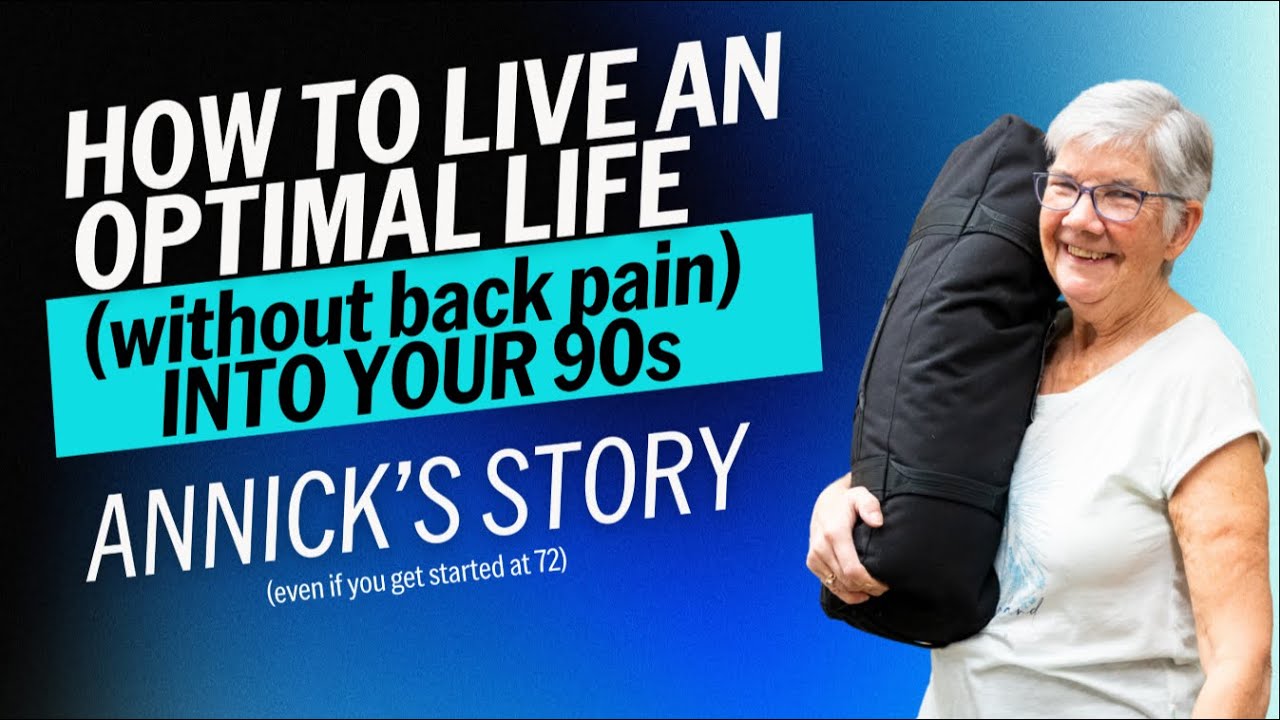
At 72, the advice Annick kept hearing was simple: stop running, stop lifting, accept your bad back. She refused.
Annick, 72, came to Active Life Long Beach out of pain, frustration with a system that kept telling her to do less, and a creeping sense of hopelessness. A year and a half later, the story she used to tell herself — that decline is just what happens at her age — is gone.
"Just stop doing things" isn't a solution
For years, every time Annick's back went out, the advice narrowed her life a little more. It happens after you run? Stop running. It happens when you lift heavy things? Stop lifting. Join a gym — but the gym had no support, so she'd hurt herself. When her back went out last August, an MRI showed some disc changes, mostly age-related, and the paths offered were an orthopedist and back surgery, which she didn't want, or physical therapy. But Annick felt the problem wasn't only her back — her whole body felt out of whack.
"All I'd been hearing for years was: it happens after I run? Then stop running. It happens when I lift heavy things? Then stop lifting heavy things."
The fear was worse than the pain
When her back "went out," it meant a spasm that left her unable to bend or move. But the day-to-day weight wasn't the spasms — it was the constant worry about the next one. It had quietly spread through her whole family: don't ask Mom to lift that, her back will go out. She stopped picking up heavy things, couldn't carry groceries up the stairs, and started needing help with more and more.
"It wasn't even so much when it went out. The problem was that I was worried about it all the time."
The grandmother she wanted to be
Annick has six grandchildren — three older girls and three little ones. At the beach with the youngest, she caught herself hesitating: not picking them up, not taking them out into the waves, unsure her legs would hold her. She wasn't the grandmother she'd been for the older three. Everyone told her that was just normal aging. But when her youngest granddaughter, Eliza, was born, Annick did the math: to watch Eliza grow up, she needed to be strong into her 90s.
"I want to be the same grandmother, as much as possible, with these three little ones that I was with the older ones."
A 20-year plan at 72
When Annick told Active Life she had a 20-year plan, they didn't laugh — they said, "Great, we'll help you get there." The cost gave her pause at first ("love you guys, but no way"). Then she came home and reframed it: at 72, saying no to this meant saying yes to the decline continuing. She'd always found the money for her kids' braces and their lost field hockey sticks; the hard part was making herself the priority. She called back and said, "I'm in."
"If I say no to this, what am I saying no to? I'm saying no to the decline continuing — I'm just going to get weaker and slower."
Strength with a name
Annick calls herself a couch potato at heart — exercise for its own sake never motivated her. What changed everything was making the training functional: the goal wasn't a number in a gym, it was lifting her carry-on into the overhead bin, a water bottle, and her grandchildren. She even named her sandbag carry "Louis," after her daughter's four-year-old, who's solid as a sandbag. She's now carrying 35 pounds single-arm — and since Louis is up to 42 and still growing, she's got every reason to keep going. Health and strength now sit right alongside family and her writing as top priorities, because she wants to stay in the ocean with the kids, get on the amusement-park ride, and climb on the camel in Egypt — an active participant, not an observer.
"I don't want to become an observer until I have to. I still want to be an active participant in life — and to do that, I've got to keep moving this body."
Been told your pain is just part of getting older? Figuring out what you can actually build toward is the first thing we do with every person we work with.
Pain shouldn't be the thing deciding what you can and can't do. Find out if we can help:
ON LONG ISLAND? CHOOSE YOUR LOCATION > ANYWHERE ELSE? FIND A PRO NEAR YOU >FAQ
A: No. It's coaching and training built around a whole-body assessment, with the accountability to keep you consistent. Annick felt her whole body was out of whack, not just her back — this was built to address that and to build strength for the life she wanted.
A: That's the message Annick kept hearing, and she decided not to accept it. Instead of doing less, she built functional strength for the things she wanted to keep doing. Everyone's situation is different, so talk with your doctor about what's right for you.
A: Annick started at 72 — with a 20-year plan. The work is built around where your body is today and the specific things you want to keep doing, not around a gym for its own sake.
A: Training the movements your real life needs — lifting a grandchild, a water bottle, a carry-on overhead — and using exercises like carries and presses as the means to those goals, not the goal itself.
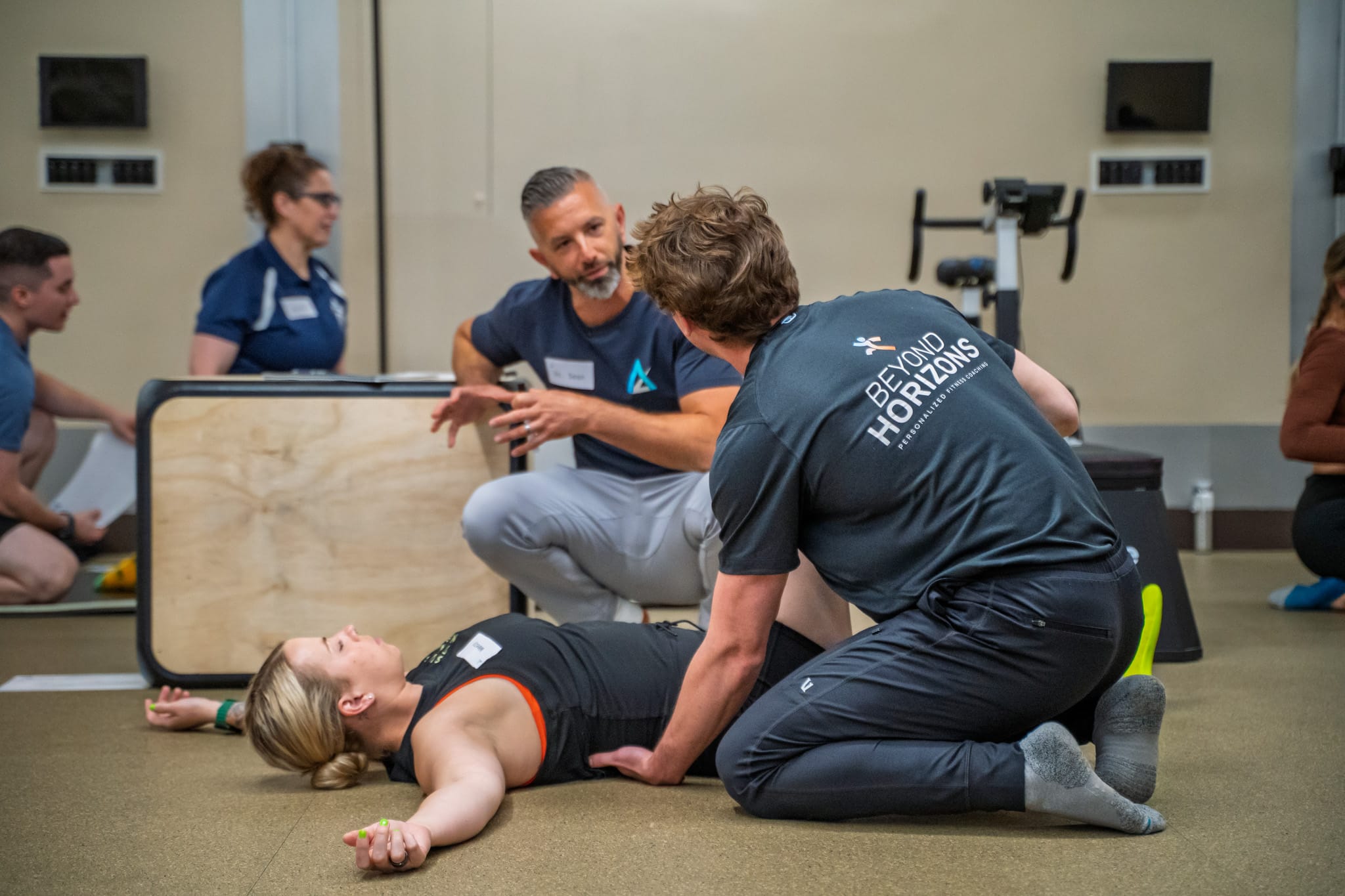
A: It starts with a whole-body assessment like Annick's, with an Active Life coach who maps where you're tight, weak, or compensating — and builds a plan around the life you want to keep living.
Adapted from Annick's Active Life story. Watch the full video above.
Active Life | Live More. Hurt Less.®
📖 Liked this? There's a whole book of it.
This article is a taste of the bigger idea. Live More. Hurt Less. by Dr. Sean Pastuch is the full playbook for living with less pain and more capability — the same thinking, start to finish.
order the book