By: Cody Ringle, Director of Locations
KEY TAKEAWAYS:
- A car accident 15 years ago left Rosemary with whiplash, numbness down her arms, and a lasting fear of moving — she had weights at home but was afraid to even lift them.
- After losing her husband to cancer, she hit a turning point: she had to get healthy. She lost about 35 pounds, then realized she still wasn’t strong.
- She wanted individualized coaching, not a crowded gym class — someone to build a program around what she actually needed and modify it as she went.
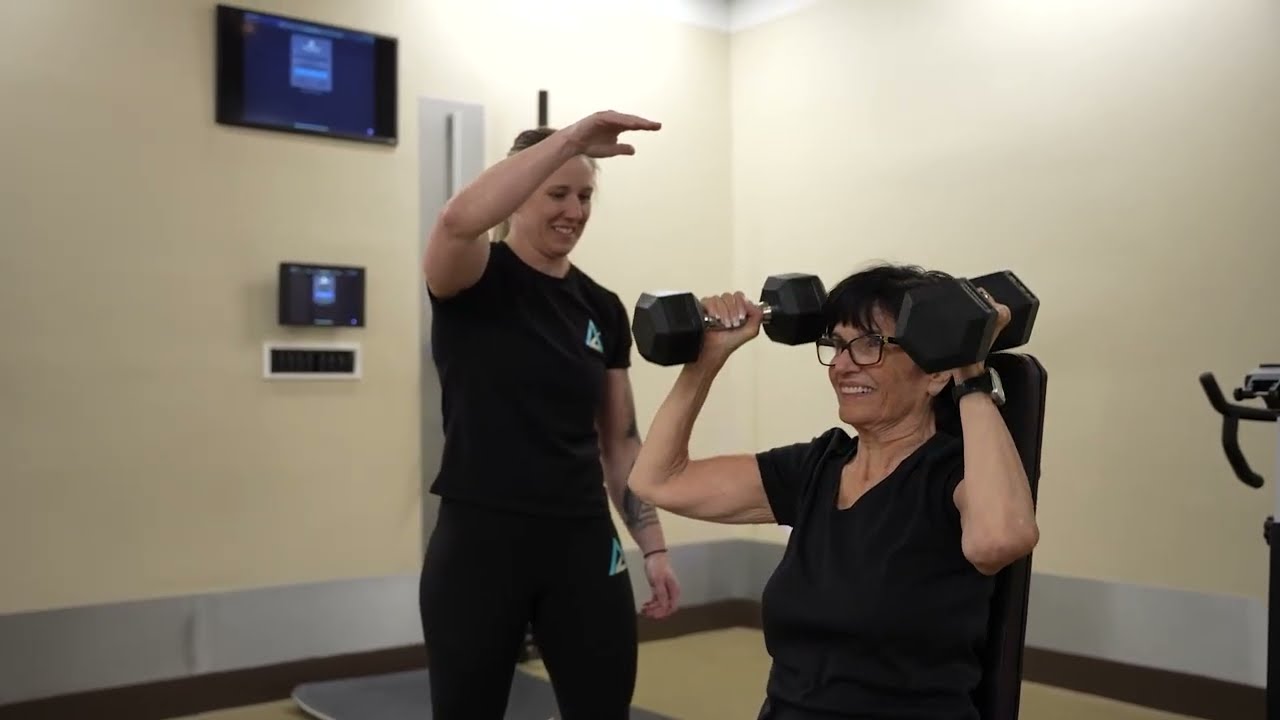
- Starting with one-on-ones and light weights, she learned the difference between pain and soreness, and her confidence came back.
- At 70, she lifts her own suitcase overhead, wakes without neck pain, and is training to surprise her son by playing pickleball.
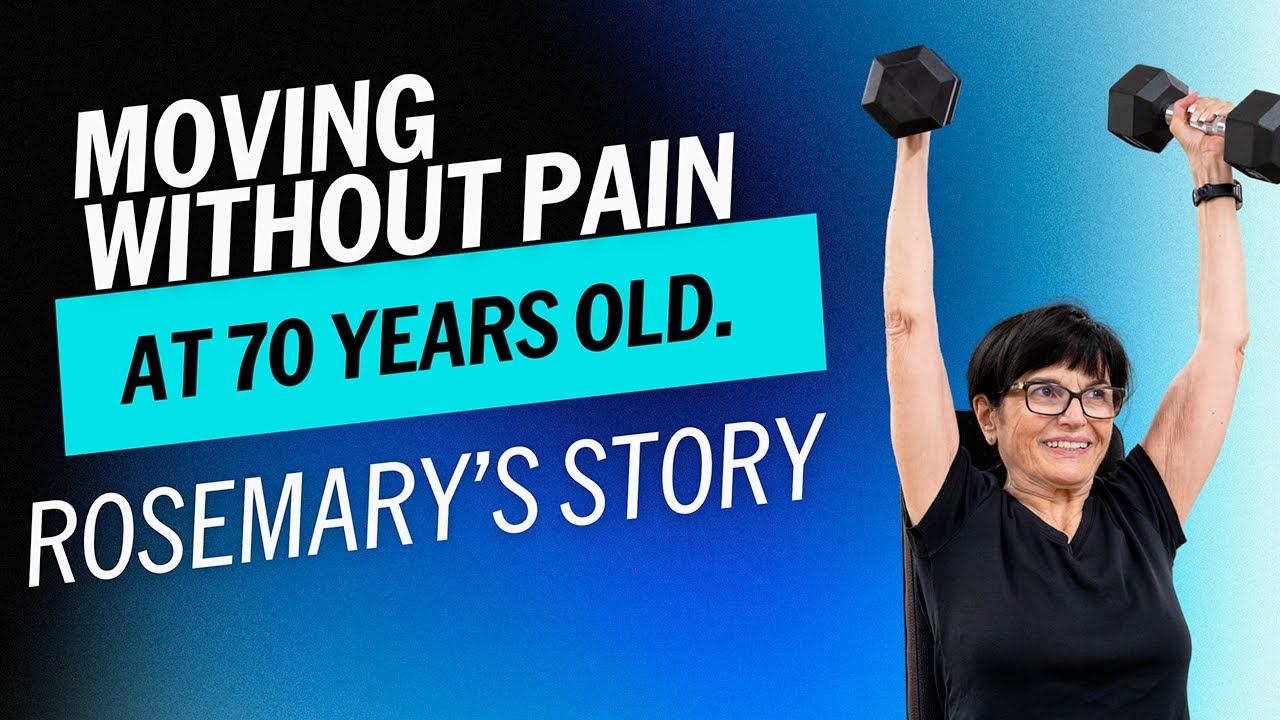
"I don't want to be an old lady who can't do anything." That's what Rosemary told the coaches at Active Life — at 70.
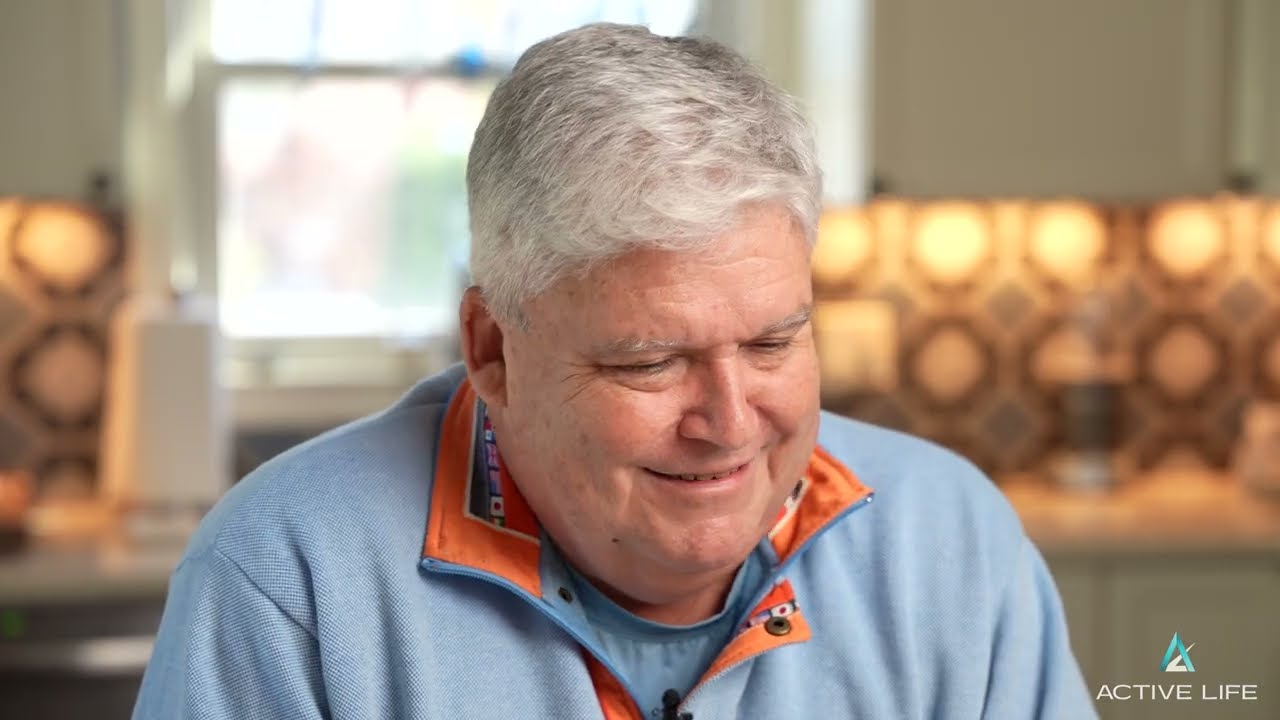
Rosemary, 70 — "70 years young," as she puts it — came to Active Life Long Beach carrying two kinds of loss: the strength a car accident had scared out of her 15 years earlier, and her husband, who died of cancer only months after getting sick. About a year in, she's moving from fear to freedom.
A turning point
Rosemary's husband was healthy — he played golf three times a week — until he suddenly developed severe back pain. It turned out to be a rare, aggressive cancer that had spread to the bone, and within a few months he was gone. It was a devastating time for Rosemary and her son. Out of it came a decision: she had to get healthy. She cleaned up how she ate and lost about 35 pounds — and then realized that losing the weight wasn't the same as being strong.
"It was a turning point for me. I just knew I had to get healthy."
Afraid to lift a weight
Fifteen years earlier, a bad car accident left Rosemary with severe whiplash and numbness running down her arms. She saw a neurologist, did chiropractic, and went through physical therapy. It helped a little, but the fear never lifted — and she never felt like she was actually getting stronger. The numbness came and went unpredictably, which made her nervous to try anything. She had weights sitting at home and couldn't bring herself to use them, unsure if she'd hurt herself or was even lifting them correctly.
"I had weights at home, but I was afraid to lift them, because I didn't know if that was going to hurt me — or if I was even doing it the right way."
Not a gym — a program built for her
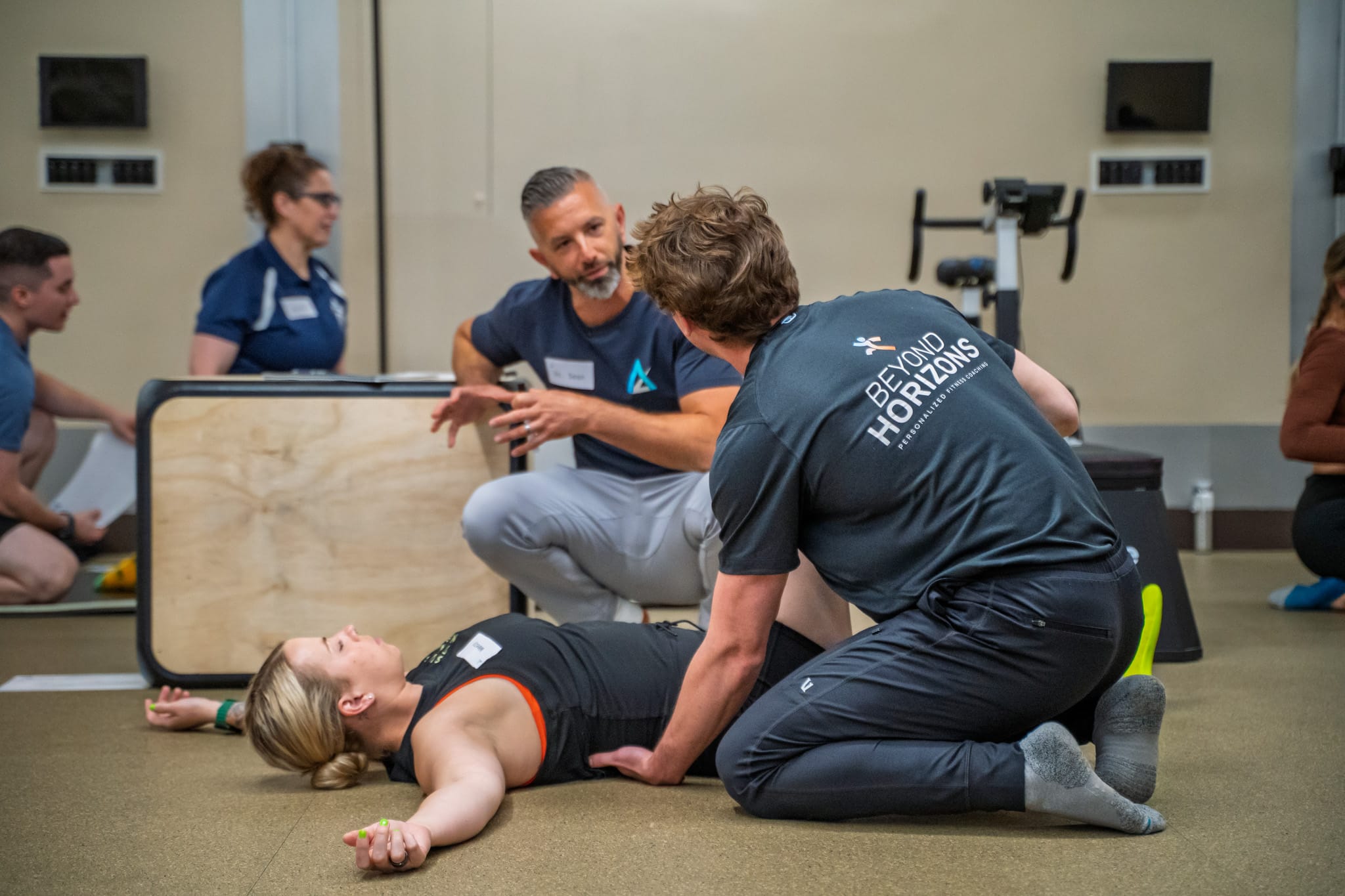
Rosemary didn't want a crowded gym or a class she'd take once and forget. She wanted an individualized program, with someone paying attention to what she needed. Active Life didn't look like the gyms she'd seen, and the one-on-ones up front were, in her words, essential — they built a plan around her and modified anything that bothered her. She learned the difference between pain and soreness, and she worked through sessions on nutrition, sleep, and stress, too. Because she felt supervised, she stopped being afraid, and her old muscle memory started coming back.
"I felt comfortable because it didn't look like a gym with lots of people running around. I really liked that it was individualized."
The suitcase moment
About two months in, Rosemary traveled — and faced the thing that always made her nervous: lifting her suitcase into the overhead bin. For years she'd scan the cabin for someone to help. This time she put it up herself, took it down herself, and was completely fine. The numbness that used to run down her arm? She realized one day it simply hadn't happened in a long time.
"I put my suitcase up and I was fine. I came back and said — I could do that. I didn't realize I had made that progress."
Getting older isn't the end of progress
These days Rosemary wakes up without neck pain and can turn her head without wincing — something she couldn't do before. She and her coach are strengthening her hips (she has a bit of osteopenia) and working on balance, and she texts back and forth to tweak her program. Her next goal is to surprise her son by learning to play pickleball. Her message to anyone her age is simple: an injury or a birthday doesn't mean you're done making progress.
"People think that if you're getting older, you can't make progress. That's just not true."
Afraid that moving the wrong way will hurt you? Starting where you are, safely, is the first thing we figure out with every person we work with.
Pain shouldn't be the thing deciding what you can and can't do. Find out if we can help:
ON LONG ISLAND? CHOOSE YOUR LOCATION > ANYWHERE ELSE? FIND A PRO NEAR YOU >FAQ
A: No. It's coaching and training built around a whole-body assessment, with the accountability to keep you going. Rosemary had done physical therapy after her accident — this was different, focused on rebuilding her strength and her confidence for the long term.
A: That fear is exactly where Rosemary started. One-on-one coaching, very light starting weights, and learning the difference between pain and soreness let her build safely, step by step. Everyone's situation is different, so talk with your doctor about what's right for you.
A: Rosemary trains around osteopenia in her hip and past whiplash — her program is built for her and adjusted as she goes. Everyone's situation is different, so talk with your doctor about what's right for you.
A: Rosemary started at 70 and can feel herself getting stronger — better balance, no neck pain, lifting her own suitcase overhead. Progress doesn't stop with age.
A: It starts with a whole-body assessment and one-on-one sessions, like Rosemary's, with an Active Life coach who builds a plan around where you are and what you want to get back to.
Adapted from Rosemary's Active Life story. Watch the full video above.
Active Life | Live More. Hurt Less.®
📖 Liked this? There's a whole book of it.
This article is a taste of the bigger idea. Live More. Hurt Less. by Dr. Sean Pastuch is the full playbook for living with less pain and more capability — the same thinking, start to finish.
order the book